
Artificial intelligence (AI) is rapidly changing how people learn, teach, and manage educational institutions. From personalized learning experiences to smarter administrative systems, artificial intelligence in education is creating new opportunities for institutions to improve efficiency and deliver better learning experiences.
In Kenya, the adoption of technology in education is on the rise as colleges and training institutions look for innovative ways to respond to changing learner needs. AI in Kenyan education has the potential to support teachers, improve learning experience for students, streamline administrative processes and also prepare learners for a technology-driven workforce.
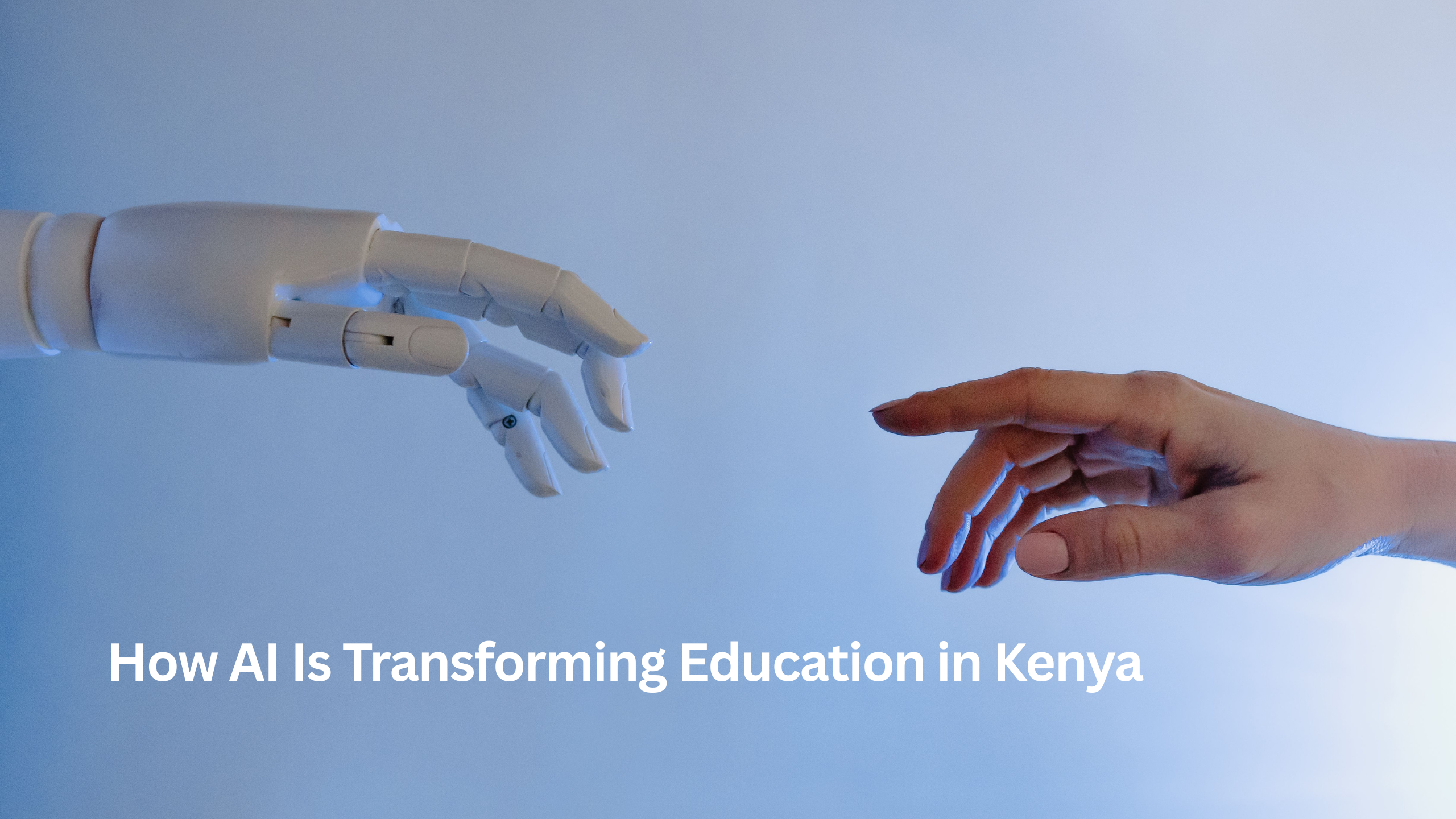
How AI Is Transforming Education in Kenya
1. Personalized Learning
One of the major benefits of AI in education is its ability to support personalized learning to meet different students academic needs and specializations.
Different learners have different strengths, weaknesses, learning speeds, and academic needs. AI tools can analyze learner performance and provide recommendations based on individual progress.
For example, an AI-powered learning platform can identify areas where a student is struggling and recommend additional learning materials or activities. This can help institutions move beyond a one-size-fits-all approach to education.
2. Supporting Teachers and Trainers
Teachers and trainers spend a lot of time preparing lessons, developing learning materials, creating assessments, and providing feedback.
AI tools for education can assist with some of these tasks. Educators can use AI to generate ideas for lesson plans, create practice questions, organize information, and develop learning resources.
This can help reduce repetitive workloads and give teachers more time to focus on meaningful interaction with learners this making the learning experience productive.
However, educators must always review AI-generated content to ensure it is accurate, relevant and appropriate for learners. This is so because, AI tools like ChatGPT can make mistakes making human review important.
3. Smarter Assessment and Feedback
Assessment is an important part of the learning process. AI can help institutions make assessment more efficient by supporting automated marking, identifying common mistakes, and generating timely feedback. For example, digital learning platforms can analyze student responses and highlight areas that require additional attention and improvement.
This can help learners understand where they need to improve while giving educators useful insights into learner performance.
4. Improving Institutional Administration
AI is not only changing what happens inside the classroom. It can also support the administrative side of education. Educational institutions handle large amounts of information, including student records, attendance, communication, academic performance and institutional reports.
AI-powered systems can help institutions organize and analyze this information more efficiently. When combined with digital management systems, AI can contribute to faster decision-making and more efficient institutional operations.
5. Enhancing Student Support
Students often need support beyond the classroom. AI-powered chatbots and virtual assistants can provide quick responses to common questions about courses, schedules, learning materials and institutional processes.
While AI should not replace human support, it can provide an additional channel for students to access information when they need it. This can be particularly useful for institutions serving large numbers of learners.
AI and the Future of Education in Kenya
The future of education in Kenya will increasingly involve the integration of technology into teaching, learning, and institutional management.
As digital skills become more important in todays workplace, educational institutions also need to prepare learners to work alongside emerging technologies. For TVET institutions in particular, embracing technology can help create learning environments that are more aligned with the digital skills demanded by modern industries and workforce.
However, successful adoption of AI requires more than simply introducing new tools. Institutions need appropriate digital infrastructure, trained educators, clear policies, responsible use of technology, and systems that protect learner information.
Embracing the Opportunity
AI is no longer simply a concept for the future. It is becoming part of the way people work, communicate, and learn today. For Kenyan educational institutions, the opportunity lies in using AI strategically, not simply because it is a new technology, but because it can help solve real challenges in teaching, learning, and administration.
The institutions that combine AI, digital systems, skilled educators, and effective institutional management will be better positioned to adapt to the changing education landscape in Kenya.
At Dapin Education, we support educational institutions in navigating the changing education environment through professional TVET consultancy, digital solutions, and technology-driven approaches that help institutions operate more effectively and grow overtime.
The future of education in Kenya will not be defined by technology alone. It will be defined by how effectively institutions use technology to improve education and create better opportunities for learners.